Year end cyber hygiene checklist: Simple steps to start the new year safer online
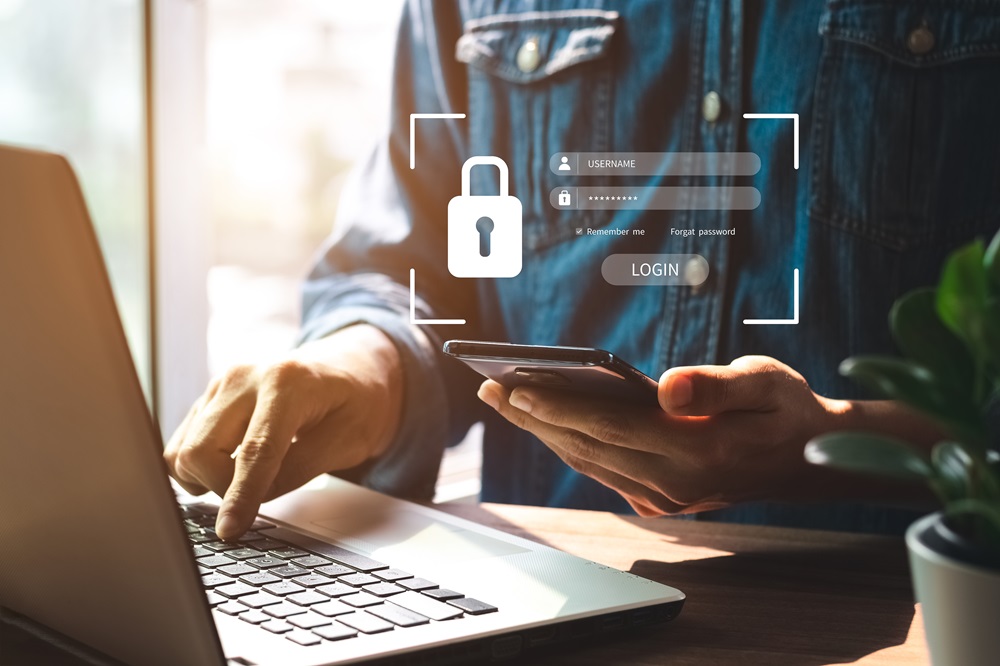
As the year comes to an end, many of us are busy clearing emails, organising photos, and planning for the year ahead. but there is one area that is often overlooked – your digital security.
Cyber hygiene refers to the simple habits that help keep your online accounts, devices, and personal information safe. doing a quick cyber hygiene check before the new year can help reduce the risk of scams, data leaks, and unauthorised access to your accounts.
Here is a practical year end cyber hygiene checklist to help you start the new year with better digital security.
#1: Review and cancel unused subscriptions
Over the year, it is easy to sign up for free trials, apps, and online services that you no longer use. unused subscriptions are not just a financial drain, they can also be a security risk.
Accounts that are inactive are more likely to be forgotten, left with weak passwords, or linked to old email addresses. if a service is breached, your data may still be exposed.
Take time to review your bank statements, app store subscriptions, and email receipts. cancel services you no longer need and delete accounts that are no longer in use.
#2: Update passwords for important accounts
Using the same password for years or across multiple platforms increases your risk if one account is compromised.
Before the year ends, prioritise updating passwords for key accounts such as:
-
email accounts
-
eWallets and online banking
-
shopping platforms
-
social media
Use strong, unique passwords for each account. a good password should be long and include a mix of letters, numbers, and symbols. avoid using personal information such as birthdays or phone numbers.
If possible, use a password manager to store your passwords securely.
#3: Turn on two-factor authentication where available
Two-factor authentication adds an extra layer of protection to your accounts. even if someone gets your password, they cannot access your account without the second verification step.
This may include a one-time code sent to your phone, email, or authentication app.
Enable two-factor authentication for financial apps, email accounts, and any platform that stores personal or payment information. this small step greatly improves your online safety.
#4 Clean up your devices and apps
Old apps and unused software can become security weak points, especially if they are no longer updated.
As part of your year end cyber hygiene routine:
-
delete apps you no longer use
-
update your phone and device operating systems
-
install the latest app updates
Updates often include security patches that fix known vulnerabilities. keeping your devices up to date helps protect you from newer threats.
#5: Check app permissions and connected services
Many apps request access to your location, contacts, camera, or files. over time, these permissions can add up.
Review app permissions on your phone and revoke access that is no longer necessary. also check which apps or services are connected to your email, social media, or payment accounts, and remove any that you do not recognise or no longer use.
#6: Back up important data securely
Before the new year begins, make sure your important files are backed up. this includes photos, documents, and work files.
Use trusted cloud storage or external drives, and ensure backups are protected with strong passwords. having a secure backup can help you recover quickly if your device is lost, damaged, or affected by malware.
#7: Stay alert to scams during festive and year end periods
Scam activity often increases during holiday and year end periods, when people are busy and spending more online.
Be cautious of:
-
messages offering refunds, prizes, or urgent account issues
-
fake promotions or cashback offers
-
links or qr codes from unknown sources
Always verify messages through official channels and avoid clicking on suspicious links. if something feels rushed or too good to be true, take a moment to double check.
Start the new year with better cyber habits
Good cyber hygiene is not about complicated tools. it is about small, consistent actions that protect your digital life.
By reviewing your accounts, updating passwords, and cleaning up unused services, you reduce your exposure to online risks. taking a little time now helps you enter the new year with greater peace of mind and better digital security.